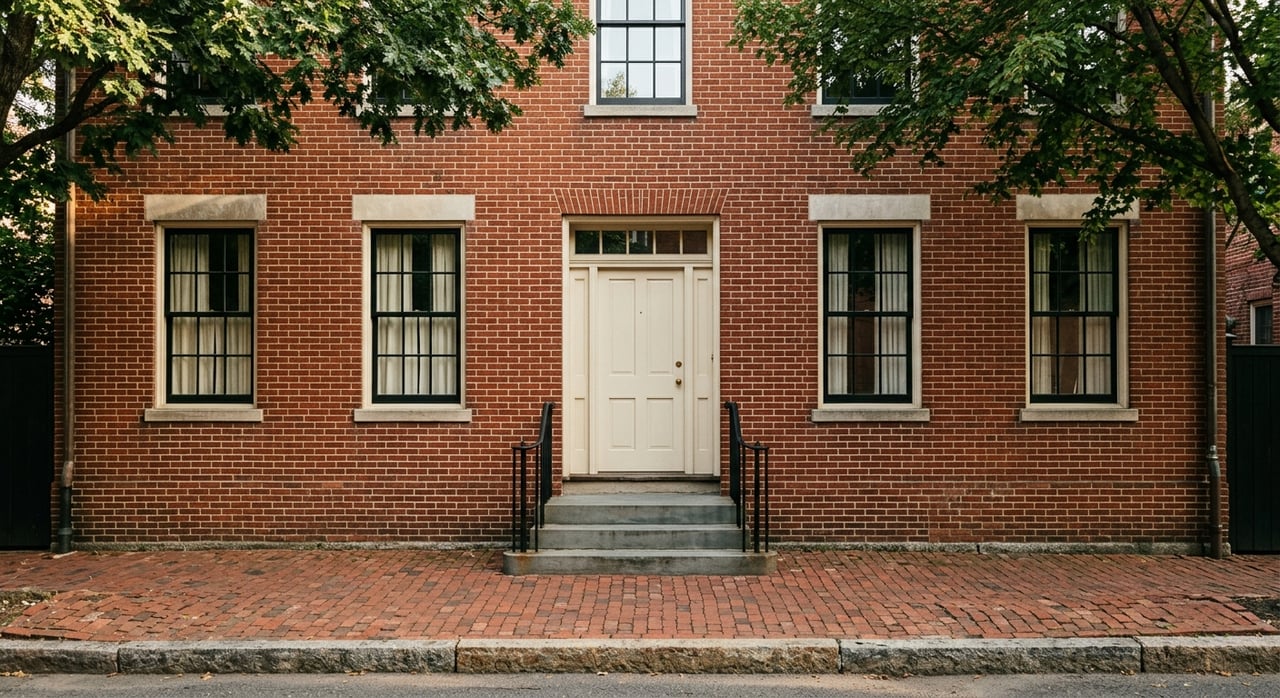
Looking for a place that feels distinct the moment you arrive? Cranbury offers something many towns try to recreate but cannot easily manufacture: a true historic village setting with preserved streetscapes, larger homes, open space, and a day-to-day pace that feels grounded. If you are considering a move here, or thinking about selling in this market, it helps to understand how homes, downtown, and daily life fit together. Let’s dive in.
Why Cranbury Feels Different
Cranbury Township is a small Middlesex County community of about 4,000 residents spread across 13.3 square miles. That low-density layout, paired with a population of about 302 people per square mile, gives the township a more open and quiet feel than many nearby suburbs.
The town’s identity is closely tied to its historic core. Cranbury was incorporated in 1872, and township materials emphasize that the historic village character is connected to the surrounding farmland. In simple terms, this is a place where history, open land, and everyday living still feel linked.
Recent ACS data also paints a picture of who lives here today. Cranbury has a median age of about 49, a median household income around $216,691, and an owner-occupied housing share of 87.1%, which points to a community with strong long-term residency and a stable residential base.
Cranbury Homes at a Glance
If you are shopping for a home in Cranbury, the housing mix is fairly clear. The market is dominated by single-family detached homes, which make up 84.5% of the housing stock, with another 9.8% made up of single-family attached homes.
Multifamily housing is limited, and renters account for only 10.5% of units. That matters because it shapes both the look of the township and the pace of daily life. Compared with denser suburban markets, Cranbury offers a more residential, lower-density setting.
Home size is another defining feature. According to the township’s 2025 housing plan, 62.6% of homes have four bedrooms or more, including 48.7% with four bedrooms and 13.9% with five or more. If you need extra space for work, guests, or long-term flexibility, Cranbury’s housing stock often supports that.
Historic Homes and Newer Builds
One of Cranbury’s most interesting traits is that it is not limited to one architectural era. About 16.4% of the housing stock was built before 1939, while 61.6% was built between 1980 and 2009.
That gives buyers a broader range than they might expect from a town known for history. You can find homes connected to the township’s older character, but you can also find newer houses that offer more recent layouts and larger footprints.
For sellers, this range can also widen the buyer pool. Some buyers are drawn to historic charm and the appeal of a village setting, while others want the location and feel of Cranbury with a more modern home style.
What Homes Cost in Cranbury
Cranbury is a higher-value market by local standards. The township’s 2025 housing plan reports a 2023 median home value of $830,300, while the 2024 ACS 5-year estimate places the median owner-occupied home value at $889,400.
Those numbers reflect more than square footage alone. They also reflect the township’s limited housing supply, high owner occupancy, larger homes, and the draw of a preserved historic setting that feels hard to replicate elsewhere.
If you are buying, it helps to enter this market with a clear budget and a strong understanding of what matters most to you. If you are selling, Cranbury’s character and housing profile can be meaningful advantages when your home is presented well and positioned correctly.
Downtown Cranbury and Main Street
Downtown Cranbury is one of the town’s biggest draws. The historic district is actively preserved, and the township’s design guidelines are meant to guide additions, alterations, and new construction within that area.
This is not just a place where old buildings happen to remain. It is a place where the public realm is treated as part of the town’s identity, including traditional streetscape materials such as bluestone, slate, and brick walkways.
That care shows up in how Main Street feels day to day. Instead of reading like a generic commercial strip, the historic core has a lived-in, village-like quality that shapes how people experience the town.
Parks and Open Space in Daily Life
Cranbury’s rhythm is also influenced by its smaller public spaces and preserved natural areas. Memorial Park and Brainerd Dam sit on South Main Street by the brook, while Heritage Park anchors the south side of the village.
Cranbury Brook Preserve adds another layer to daily life, with roughly 50 acres of trails, birdwatching, and open grassland. These places help explain why the township often feels more rooted and less hurried than a typical commuter suburb.
For buyers, these spaces can be part of what makes Cranbury memorable during a home search. For homeowners, they are part of the setting that supports long-term appeal and everyday enjoyment.
Commute Realities to Know
Cranbury has clear advantages, but it is important to understand the commute picture realistically. The township is largely car-oriented, and a Middlesex County transportation study states that there is no rail service in the study area.
The nearest NJ TRANSIT Northeast Corridor stations are Princeton Junction, Jersey Avenue, and New Brunswick. Regular fixed-route bus service to Mid-Manhattan and Wall Street is available from Cranbury, Plainsboro, and Monroe, as well as from the NJ Turnpike Exit 8A Park and Ride.
At the same time, the county study notes that local fixed-route bus service is limited and sparse. Cranbury’s mean travel time to work is 32.9 minutes, which fits the picture of a town where driving is a major part of everyday mobility.
Is Cranbury a Good Fit for You?
Cranbury tends to appeal to buyers who want a strong sense of place. The combination of preserved historic character, larger detached homes, high owner occupancy, and open space creates a setting that feels more village-like than subdivision-like.
That can be especially attractive if you want a town with continuity and a distinctive identity. It may be less ideal if your top priority is frequent rail access or a broader mix of multifamily and higher-density housing options.
In other words, Cranbury is often about choosing character, space, and setting. For many buyers, that tradeoff is exactly the point.
What Sellers Should Know
If you own a home in Cranbury, your property may benefit from features that stand out in the broader market. Detached housing, larger home sizes, and a location within a small, recognized historic township can all help support buyer interest.
Presentation still matters, especially in a market where buyers often expect both character and condition. Homes that clearly communicate their layout, setting, and lifestyle value tend to make a stronger impression, particularly when marketing highlights what makes Cranbury different from a more typical suburban option.
For sellers planning a move, it is also helpful to understand that buyers may be drawn to very different aspects of the same property. Some are focused on village charm, others on space, and others on Cranbury’s balance of history and newer housing stock.
Community Events Shape the Town
Cranbury’s civic calendar adds another layer to daily life. Cranbury Day brings a Main Street street fair atmosphere, and the annual town-wide yard sale has become a major local tradition, with more than 100 participating houses reported in the prior year according to the mayor in a 2025 township update.
Township updates have also highlighted Spring Clean-up weekend, the Colonial Fair in Millstone Park, and the annual Lions Club Memorial Day Parade along Main Street. These events do not define every day, but they do reinforce the township’s sense of continuity and local participation.
For someone relocating from outside the area, that can be a meaningful part of the adjustment. It gives you a clearer picture of how the town gathers, moves through the seasons, and maintains its identity.
Why Local Guidance Matters in Cranbury
Cranbury is not a one-size-fits-all market. Its appeal comes from a mix of historic setting, larger homes, limited housing types, and a commute profile that works well for some buyers but not all.
That is why local context matters so much when you are making a move here. Whether you are buying or selling, the right guidance can help you evaluate not just the home itself, but how Cranbury’s day-to-day rhythm fits your goals.
If you want help understanding how Cranbury compares with nearby towns, or you are preparing to sell and want a smart pricing and marketing plan, John Terebey can help you navigate the next step with clear local insight.
FAQs
What is the housing mix like in Cranbury Township?
- Cranbury’s housing stock is mostly single-family detached homes at 84.5%, with 9.8% single-family attached homes and limited multifamily housing.
What are home values like in Cranbury Township?
- The township’s 2025 housing plan reported a 2023 median home value of $830,300, and the 2024 ACS 5-year estimate placed the median owner-occupied value at $889,400.
What is downtown Cranbury like for daily life?
- Downtown Cranbury has a preserved historic district, traditional streetscape materials like bluestone, slate, and brick walkways, and a village-style setting centered around Main Street.
What parks and open spaces are in Cranbury Township?
- Key public spaces include Memorial Park, Brainerd Dam, Heritage Park, and Cranbury Brook Preserve, which offers about 50 acres of trails, birdwatching, and open grassland.
What should commuters know about living in Cranbury Township?
- Cranbury is largely car-oriented, has no rail service in the study area, and relies on access to nearby train stations like Princeton Junction, Jersey Avenue, and New Brunswick, plus bus options and the NJ Turnpike Exit 8A Park and Ride.
What kind of buyer is Cranbury Township best suited for?
- Cranbury may be a strong fit if you value a historic-village setting, larger detached homes, open space, and a strong sense of place more than direct rail access or a denser housing mix.
