Everyday Life in Lawrenceville: Homes, Parks and Commutes
April 23, 2026
April 23, 2026
If you are thinking about a move to Lawrenceville, everyday life here can feel like a practical balance of charm and convenience. You may be looking for a place with established neighborhoods, useful parks, and access to bigger job centers without giving up a more grounded daily routine. Lawrenceville stands out for exactly that mix, with a historic village corridor, a wide range of housing patterns, and regional connections that support commuting in several directions. Let’s dive in.
Lawrenceville offers a blend that is not always easy to find in Central New Jersey. The area combines a historic village setting with broader suburban development, so your day-to-day experience can shift depending on where in Lawrence Township you live.
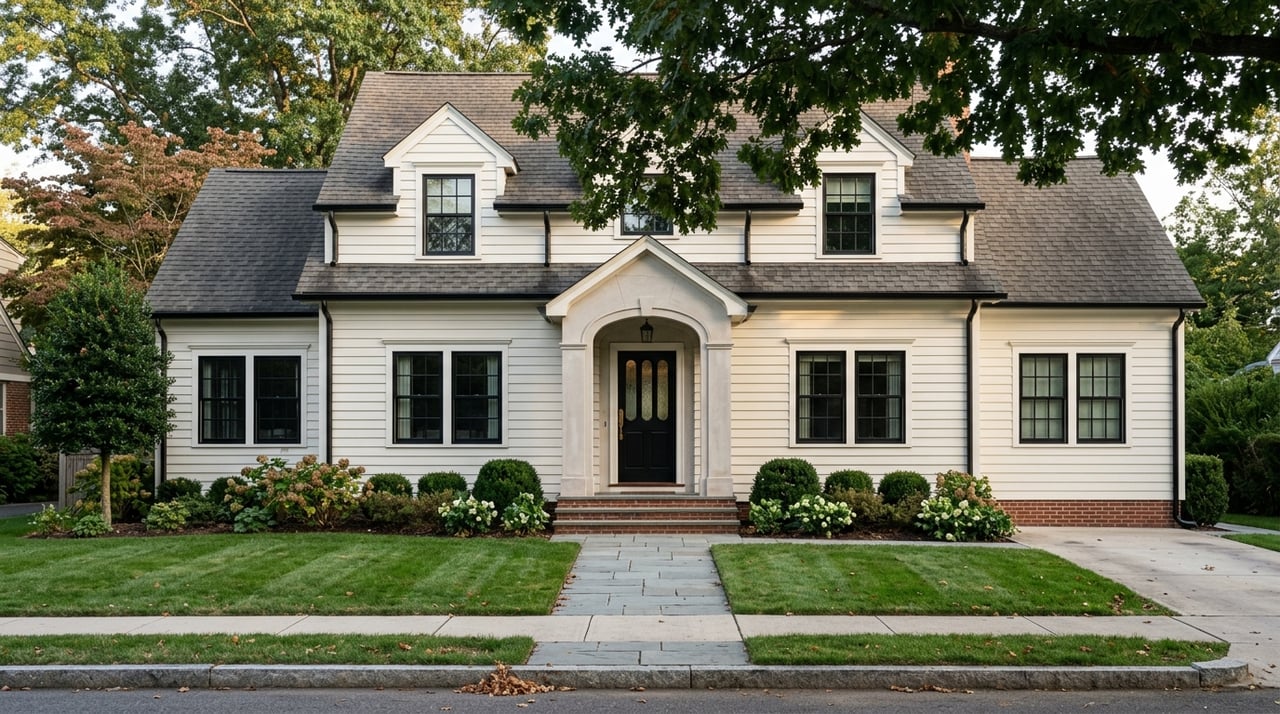
At the center is the Main Street Historic District, which stretches for more than two miles along Main Street and Lawrenceville-Princeton Road. According to the township, this corridor includes 18th- and 19th-century houses, taverns, farmhouses, one of New Jersey’s oldest Presbyterian churches, and surviving farmland, giving the village core a distinctive historic character.
Outside that corridor, the township developed more heavily during the 20th century into a suburban community with a mix of neighborhood styles. Township materials describe a landscape that includes older rural lanes, newer subdivision streets, and continued development in condominiums, single-family homes, and townhouses.
If you are house hunting in Lawrenceville, it helps to know that the housing stock is not one-size-fits-all. The township’s planning documents show that single-family detached homes make up the largest share of housing, but apartment buildings also represent a meaningful part of the local mix.
That variety can be helpful whether you want more space, lower-maintenance living, or something in between. You may find that your options depend a lot on which part of Lawrence Township you focus on and what kind of routine you want.
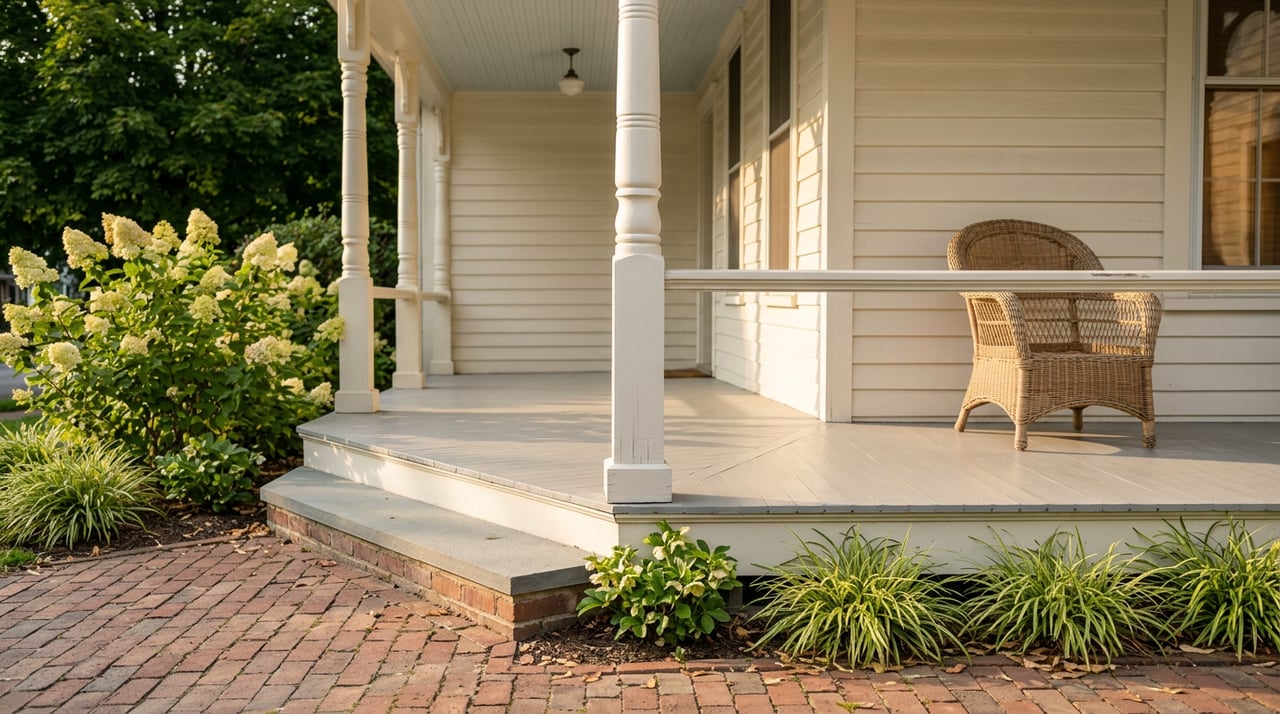
If you are drawn to older homes and a more established streetscape, the Lawrenceville village area may be the most appealing starting point. The historic district creates a linear village feel rather than a single compact development, which gives the area a connected, lived-in atmosphere along Route 206.
For some buyers, that setting is a big part of the appeal. You get a sense of place that comes from preserved architecture and a corridor that has evolved over time rather than appearing all at once.
Beyond the historic core, Lawrence Township reflects its postwar suburban growth. According to township history and environmental planning documents, large housing subdivisions shaped much of that era and remain an important part of the local housing pattern today.
The township’s ERI also notes a difference between the south and north portions of Lawrence. The south is described as more compact and infrastructure-served, while the north includes larger lots, wells and septic systems, agricultural land, and open space.
In practical terms, Lawrenceville can work for different lifestyles. You might prefer a home closer to the village corridor and established roads, or you may want a setting with larger lots and a more open feel.
That range matters because everyday life is shaped by more than square footage. Your commute, access to parks, and the type of neighborhood layout around you can all affect how a home feels once you actually live there.
One of Lawrenceville’s strongest everyday advantages is how much outdoor space is built into the township. Mercer County says Lawrence has more than 25% preserved open-space parks and farmland, and the township ERI puts that figure at over 27%. That is a meaningful feature if you want easy access to recreation close to home.
County and township resources point to a broad network of outdoor destinations, including Village Park, Central Park, Lawrence Veterans Park, Mercer Meadows, Hamnett Park, Drexel Woods, the Lawrence-Hopewell Trail, and the Lawrence Nature Center. For many buyers, that kind of park access becomes part of the weekly routine very quickly.
Village Park is one of the township’s most versatile recreation spaces. The township says it spans more than 60 acres and includes lighted soccer and lacrosse fields, tennis courts, basketball, softball and volleyball facilities, playgrounds, a dog park, walking and biking paths, and a segment of the Lawrence Hopewell Trail.
That mix makes it the kind of park you can use in different ways throughout the week. It works for exercise, casual outdoor time, organized sports, dog walking, and meeting up with friends or family.
If you prefer a less programmed outdoor setting, the Anne Demarais Nature Center adds a different experience. The township describes it as 45 acres of stream, forest, meadow, trails, and a community nature center around Shabakunk Creek.
You also have access to other larger and smaller recreational areas across Lawrence Township. Central Park, identified by the township as the largest developed park, adds more sports fields and playground equipment, giving residents multiple choices depending on how they like to spend time outside.
For many buyers, commute potential is one of the biggest factors in choosing Lawrenceville. The township says Lawrence is about 33 miles from Philadelphia and 54 miles from New York, with access to I-95, I-295, US 1, and US 206 through its road network.
That regional access is one of the reasons Lawrenceville appeals to people who need flexibility. You can live in a suburban Mercer County setting while still keeping connections to Princeton, Trenton, New York, and Philadelphia.
For Princeton-area travel, the most relevant local corridors are US 206 and Princeton Pike. That makes Lawrenceville a practical option if your routine regularly takes you toward Princeton or other nearby Mercer County destinations.
At the same time, it is important to plan with realistic expectations. The township’s economic overview notes that rush-hour congestion tends to concentrate along Business Route 1 and Route 206, so peak-hour travel can be slower even though the overall corridor access is strong.
If your work or lifestyle involves New York City, regional rail can expand your options. NJ Transit notes that the Princeton Dinky connects downtown Princeton with Princeton Junction, and Princeton Junction offers Northeast Corridor service toward New York with connections to Amtrak.
That does not make Lawrenceville a car-free community for most households, but it does make New York a realistic commuter destination for some residents. In everyday terms, many people here still rely heavily on driving, especially when linking home, errands, and station access.
For travel toward Philadelphia, SEPTA says riders can use the Trenton Line or Route 127 to reach Trenton Transit Center, where connections are available to NJ Transit and Amtrak. That gives you another regional option if your schedule takes you southwest rather than northeast.
This is one of Lawrenceville’s quiet strengths. It sits in a position where multiple commuting patterns are possible, even if the day-to-day rhythm still tends to be car-forward for many households.
When you put the pieces together, Lawrenceville offers a lifestyle that feels balanced rather than extreme. You are not choosing only historic character, only suburban convenience, or only commuter access. You are getting some of each.
That balance can be especially appealing if you want:
For many buyers, that combination makes Lawrenceville easier to picture as a long-term fit. The appeal is less about one standout feature and more about how well the parts work together in everyday life.
As you compare Lawrenceville with other Mercer County locations, it helps to think through how you actually spend your week. The right fit may depend on whether you care most about house style, access to outdoor space, commuting patterns, or the feel of the immediate surroundings.
A few useful questions to ask yourself include:
The answers can help narrow your search and make your home choice more practical, not just aspirational.
If you are planning a move in Mercer County, working with a local team can help you compare Lawrenceville block by block and match the area to your routine, priorities, and timeline. When you are ready to explore your options, connect with John Terebey for trusted local guidance and personalized support.
Stay up to date on the latest real estate trends.
Etiam non quam lacus suspendisse faucibus interdum. Orci ac auctor augue mauris augue neque. Bibendum at varius vel pharetra. Viverra orci sagittis eu volutpat.